
Thu Thiem Station: From Transit Hub to Ho Chi Minh City’s Next Urban Magnet
As transportation infrastructure continues to evolve, competition among major cities is no longer defined solely by connectivity, but increasingly by their ability to create destinations that encourage people to stay, engage and return. Guided by the TOD 5.0 vision, the proposed Thu Thiem Station Urban Complex is expected to become Ho Chi Minh City’s next-generation ecosystem where mobility, urban experiences, arts and commerce converge.
Across the world, major transportation hubs have expanded far beyond their traditional role as transit gateways to become centers of commerce, culture, entertainment and tourism. Against this backdrop, SonKim Land’s proposed Thu Thiem Station Urban Complex is envisioned under a TOD 5.0 model, where transportation infrastructure serves as the foundation for creating a new generation of urban experiences, transforming both the station and its surrounding district into a true destination in its own right.
TOD 5.0: When Experience Becomes the Core of Urban Development
Under this model, "wow factors" ranging from iconic art installations and immersive technologies to distinctive public spaces and landscape design are not merely aesthetic features. Rather, they form a core urban strategy designed to capture attention, extend dwell time, increase repeat visitation and sustain continuous urban vitality.
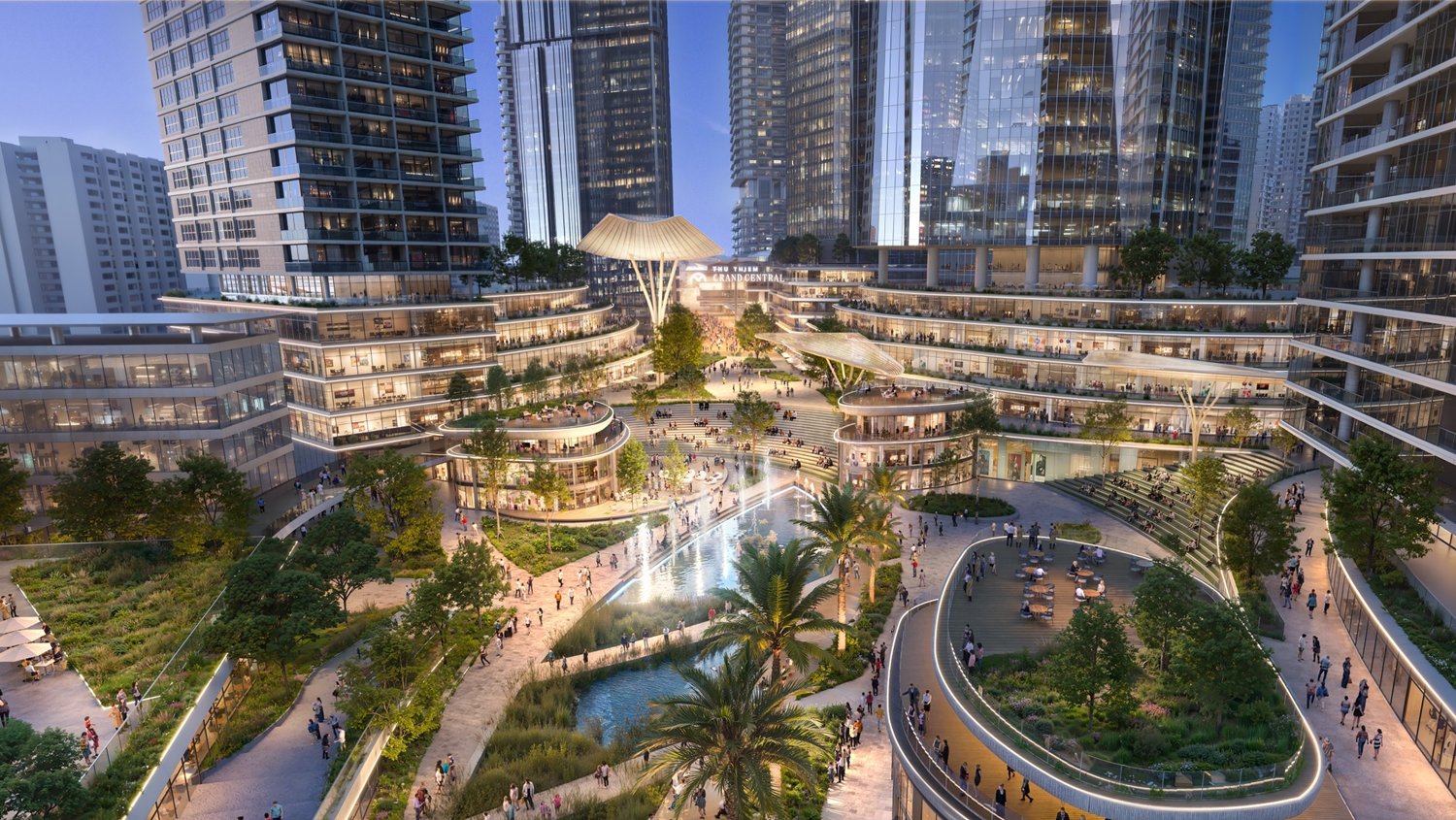 the TOD 5.0 model, Thu Thiem Station is envisioned by Sonkim Land to be developed as a large-scale “experiential destination”
This trend is being accelerated by changing consumer behavior worldwide. According to research by Savills, modern consumers increasingly prioritize spending on emotional value, unique experiences and lifestyle offerings over material ownership alone.
According to Neil MacGregor, “The integration of public transport infrastructure with iconic design is fundamental to transforming a station into a destination that attracts tourism and drives global commerce.”
Globally, developments such as Jewel Changi Airport, King's Cross and Battersea Power Station have followed a similar principle: transportation serves as the backbone, while experiences are what keep people engaged.
Thu Thiem Station and the Vision for New Urban Landmarks
Building on these global trends, Thu Thiem Station Urban Complex is envisioned as a multi-layered, 24/7 experiential destination. The development proposes an immersive “urban forest” arrival experience leading into the station, complemented by public plazas, landscaped spaces and water features designed to moderate urban temperatures while strengthening connections with nature.
A defining feature of this next-generation TOD model is its focus on extending passenger dwell time. Through early check-in counters and direct airport baggage drop services located within the station, travelers will be offered a technology-enabled “wow factor” rarely seen in Vietnam. By freeing passengers from the burden of luggage before they head to the airport, the system allows them to fully enjoy the district’s retail, dining and lifestyle offerings. This strategic "wow factor" is intended not only to enhance convenience, but also to unlock greater economic value across the TOD ecosystem, positioning Thu Thiem Station as a new destination for tourism, shopping and urban experiences.
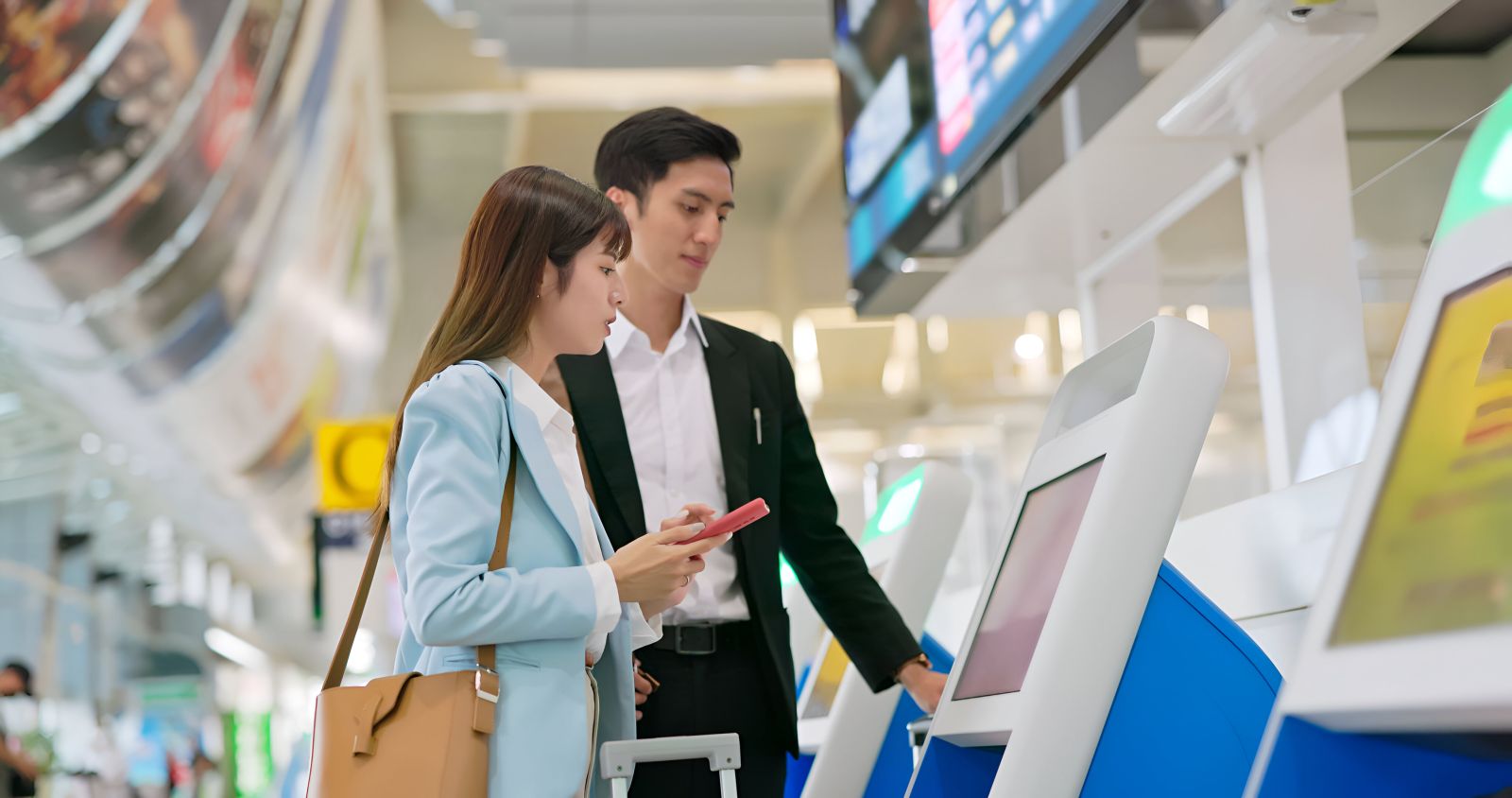
Passengers can complete the check-in procedure and check in their luggage right at Thu Thiem station.
Amid the dynamic environment of a next-generation TOD district, SonKim Land also envisions creating a dedicated public arts destination at the heart of the development. This vision includes the proposed development of contemporary art museum and exhibition spaces capable of hosting exhibitions, fashion weeks and large-scale cultural events. Such venues are expected to attract creative communities, international visitors and repeat audiences while enriching the district’s cultural identity.
Transit-Integrated Retail and a 24/7 Urban Ecosystem
One of the project’s key components is a multi-layered transit-integrated retail model, featuring approximately 550,000 square meters of commercial space directly connected to the station.
Positioned to become one of Southeast Asia’s largest retail destinations, the Thu Thiem Station Urban Complex seeks to blur the boundaries between mobility and consumption. Retail environments are carefully woven into every stage of the passenger journey through a comprehensive multi-level urban design strategy.
Beginning underground, retail offerings connect directly to station circulation routes, serving a continuous flow of commuters and travelers. At ground level, shopping centers integrated within building podiums are interwoven with landscaped green spaces, creating a vibrant commercial boulevard across the district. The experience continues through elevated pedestrian networks before culminating in a luxury retail precinct nestled within the central park.
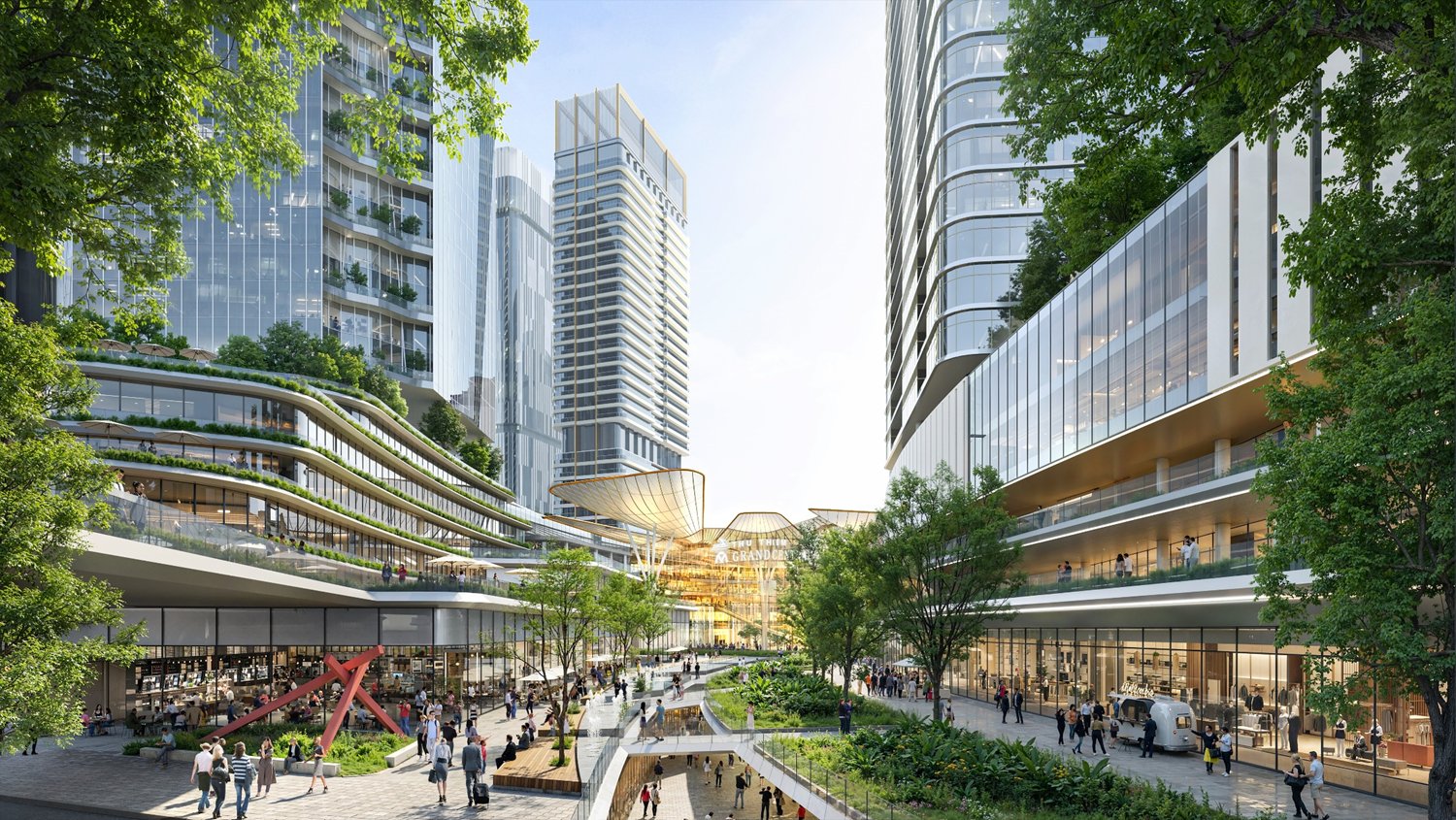 The integration of MICE centers, offices, hotels, and a large-scale transportation hub helps generate demand from various customer groups.
Envisioned as the “heart” of a future International Business Centre (ICC) district and an extension of the planned International Financial Centre (IFC), the Thu Thiem Station Urban Complex is proposed as a fully integrated ecosystem comprising Grade A office towers, hotels, international convention facilities and diverse hospitality offerings.
The synergy between offices, hotels, MICE functions, residential accommodation and transportation infrastructure is expected to generate a diverse and continuous flow of users including professionals, visitors and residents throughout the week, providing a sustainable foundation for long-term commercial activity.
Throughout the history of urban development, the enduring value of landmark projects has never been measured solely by scale or height, but by their ability to reshape how people live, connect and experience their cities. Through the TOD 5.0 vision, the Thu Thiem Station Urban Complex is expected to emerge as a new urban magnet for Ho Chi Minh City — a place where mobility converges with culture, commerce and lifestyle to create lasting economic and social value for the future.